
Henry County Court Records After Arrest
The Henry County arrest-to-court path usually starts with jail intake at the Henry County Jail or Henry County Jail Annex. After booking, first appearance and bond handling often involve Magistrate or jail court. Prosecutor review follows. Felony matters are handled by the Henry County District Attorney in the Flint Judicial Circuit and filed in Henry County Superior Court. The official county courts overview says Superior Court hears felony criminal cases, while the District Attorney describes felony prosecution for unincorporated Henry County and the cities of McDonough, Stockbridge, Hampton, and Locust Grove.
The jail record and the court record serve different jobs. The Henry County jail inmate records page covers current custody, booking numbers, subject numbers, bond display, and roster fields. The Henry County jail mugshots page covers booking-photo access and open-records options. Court records after a jail arrest focus on the filed case: accusations, indictments, docket entries, hearings, court orders, bond orders, pleas, trial dates, and final disposition.
That difference matters because booking charges can change. A person may be booked on one charge, then prosecutors may file a different charge, add counts, reduce a count, dismiss a count, or present a felony case to a grand jury. A roster entry is a starting point. The case docket is where the public can follow the court version of the case once it is open and visible.
Search Henry County Court Records
The official starting point is the Henry County Clerk of Superior Court. The clerk page links to online judicial records under labels such as case status, Access Judicial Records Online, Case Management Docket Search, and Find a Case in Superior Court. The linked Henry County Superior Court case-management portal is the local search channel for Superior Court docket information. Direct inspection of the portal was blocked during research, so the known fields are limited to public routes and clerk labels.
The Henry County Clerk of Superior Court page is the county source that points users toward online case records.
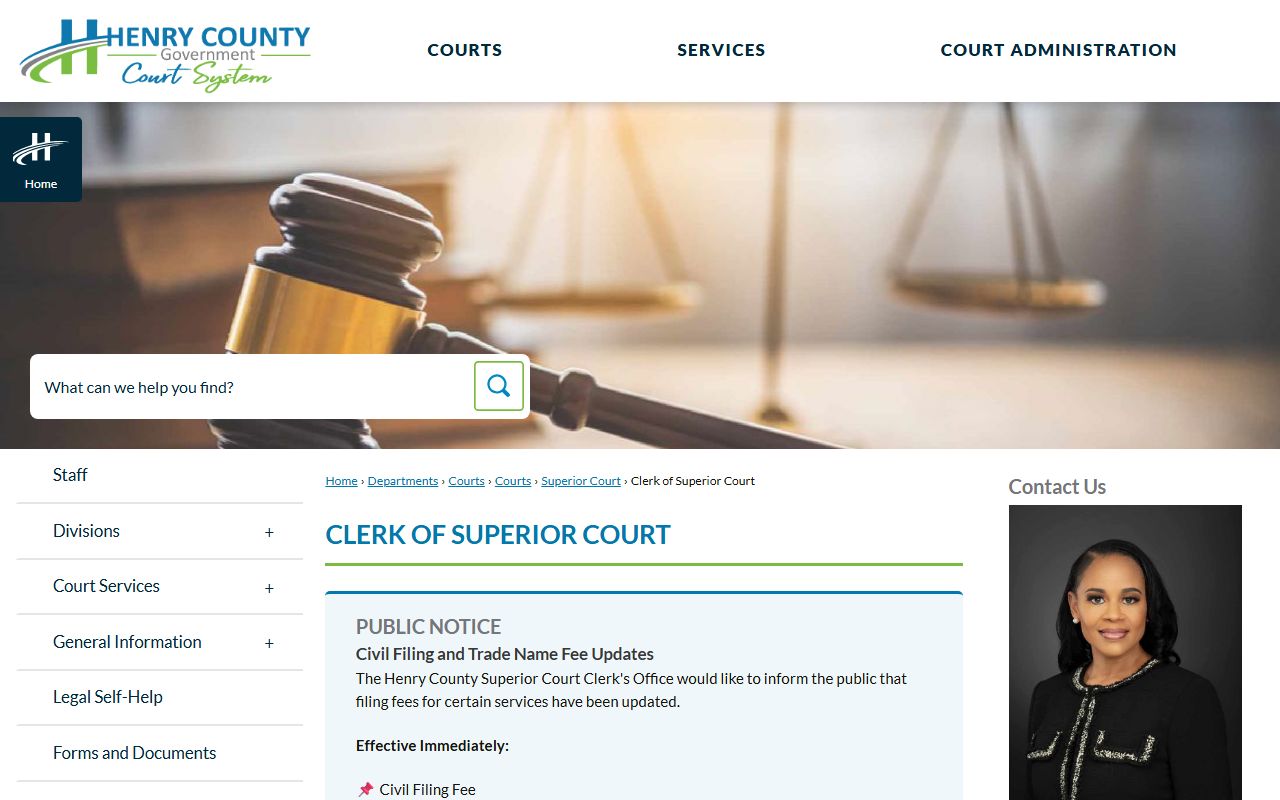
The clerk page matters because jail records do not replace docket records. Use it when the roster lists Henry County Superior Court or when a felony case should have moved beyond booking.
| Portal Field | Type | Use | Notes |
|---|---|---|---|
| Search by Case Number | Portal route | Best when a case number is known | Public snippets show a case-number search route, but exact fields were not inspectable. |
| Search by Party Name | Portal route | Use for defendant-name searches | Match by name, date, charge, and court to avoid wrong-person errors. |
| Case Management Docket Search | Portal | Find Superior Court case events | The clerk page identifies this as the official online record path. |
For a new arrest, start with the HCSO inmate profile. Capture the booking number, subject number, charge descriptions, arresting agency, court listed, bond number, and court name. Then search the court portal by case number if one is known. If no case number is known, use party name and compare the docket to the jail facts. New felony filings can lag behind booking, so a same-day arrest may not appear in the court system right away.
Henry County Charging Documents
Charges filed after a Henry County arrest can appear in more than one form. The roster may show an arrest charge, a warrant charge, a probation violation, or a failure-to-appear charge. A court case may then be built from an accusation, information, indictment, or other filing. In Georgia felony practice, the District Attorney may review facts, present a matter to the grand jury, or file the charge in a form allowed by law and local practice.
| Document | Who Uses It | What It Means | Why It May Differ From Booking |
|---|---|---|---|
| Arrest charge, warrant, or citation | Arresting agency or court | Initial basis for custody or booking | It may be broad, preliminary, or tied to a warrant. |
| Accusation or information | Prosecutor | Formal charging paper in non-indicted cases | The prosecutor can amend, add, reduce, or decline counts. |
| Indictment | Grand jury | Formal grand-jury charge, common in felony cases | The grand jury charge may not match every booking entry. |
| Court docket | Clerk and court | Procedural history of the case | It tracks filings, hearings, orders, pleas, sentence, or dismissal. |
The Henry County case-management portal is the court search channel linked by the clerk.
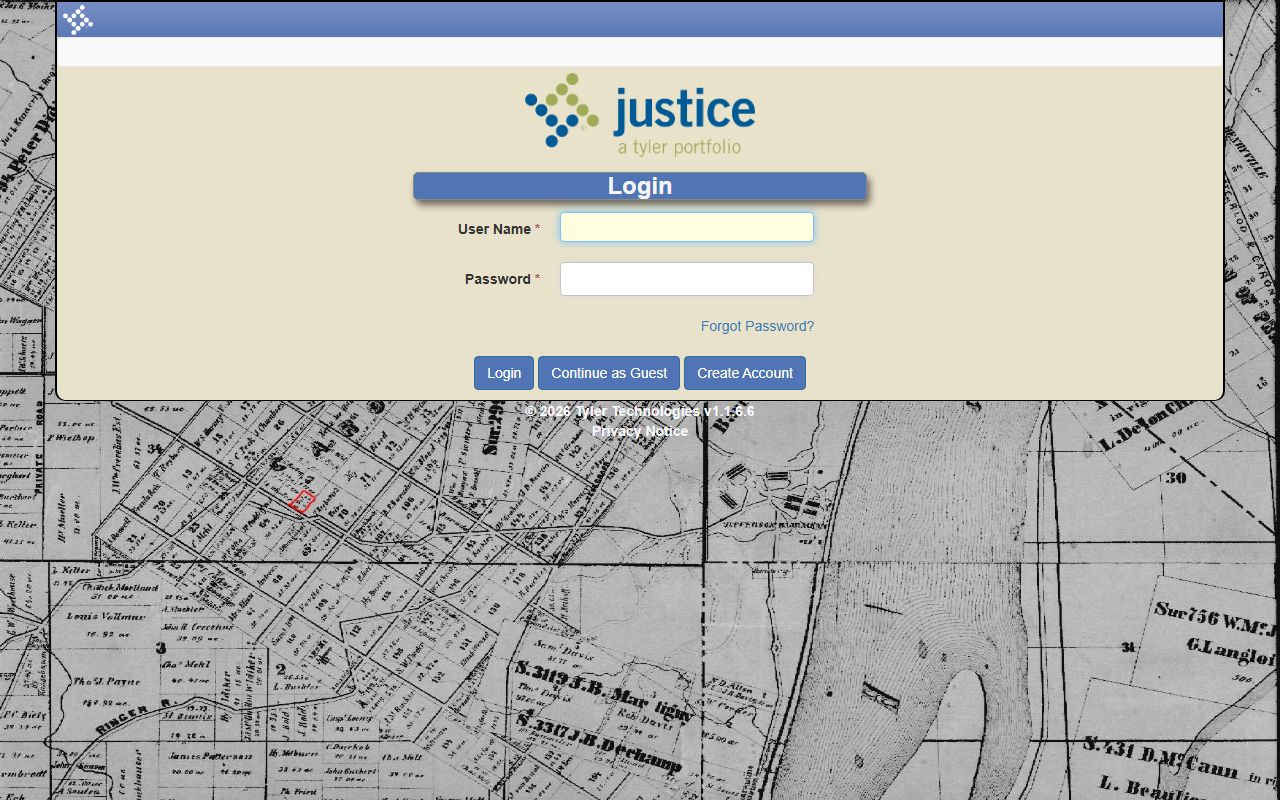
When the portal is available, it should be treated as a case-record tool, not as a live custody roster. Custody and release still come from HCSO jail channels.
Henry County Charge Status
Charge status is the plain-English clue to where a case stands. A pending charge means the case is still open. An amended or reduced charge means the filed count changed. A dismissal ends that count without a conviction. Georgia dockets may also use nolle prosequi, often shortened to nolle pros, when prosecutors choose not to proceed on a charge. Court staff can provide public docket access, but they cannot give legal advice about what a status means for a defense or record-restriction request.
| Status | Plain Meaning | Record Effect |
|---|---|---|
| Pending | The charge is still active in court. | Watch for hearings, motions, bond orders, plea settings, or trial dates. |
| Amended or Reduced | The original count changed to a different or lesser count. | Compare the docket to the original jail booking charge. |
| Dismissed | The court ended that count without a conviction. | It may support a record-restriction review if Georgia law allows it. |
| Nolle Prosequi | The prosecutor chose not to pursue the count. | Access may still depend on docket history and restriction eligibility. |
| Disposed | The count has a final court outcome. | Read the disposition to see plea, verdict, sentence, dismissal, or other result. |
Statewide conviction searches are separate. Georgia Felon Search is a paid GCIC felony-conviction search that requires first name, last name, date of birth, and sex. It is not a Henry County jail roster, and it does not return sealed, expunged, juvenile, or misdemeanor records.
Note: A case can be real and still absent from one search tool if it is too new, restricted, sealed, or outside that system.
Bond After Henry County Arrest
Bond links the jail record to court control. HCSO states that a criminal bond is a financial guarantee that the accused will appear until the case ends or is dismissed. The sheriff's bonding page cites O.C.G.A. § 17-6-15 as authority for bonding guidelines and rules for arrested people. Bond data may appear on the jail profile, but a judge or court order can change release conditions as the case moves.
Henry County recognizes cash, property, transfer property, and surety bonds when allowed. The person posting must be at least 18 and must have valid government-issued picture ID. HCSO charges a non-refundable $20 bond fee per bond written. AYTICS is listed for debit or credit card bond payments, and HCSO warns that the Sheriff's Office does not request payment by phone, text, email, social media, gift cards, cryptocurrency, Cash App, Zelle, Venmo, or other third-party payment apps.
| Bond or Hold | How It Works in Henry County |
|---|---|
| Cash bond | The full amount is paid, plus the bond fee, and may be refunded after final disposition. |
| Property bond | Henry County property equity may secure the bond if documents and equity rules are met. |
| Surety bond | A state-licensed, HCSO-approved bonding company posts bond for a non-refundable fee. |
| No-bond or hold | A court order, probation issue, detainer, or another agency hold may block release. |
Henry County Warrants and Arrest
No official Henry County public online active-warrant search was located in the researched HCSO pages. HCSO lists Warrant Services through the main line at (770) 288-7100. Georgia.gov says warrant information is handled through the local sheriff's office and advises people to gather identifying facts such as first name, last name, birth date, and the county where the warrant may be located. It also warns that in-person requesters may be taken into custody if they have an active warrant.
A warrant can lead directly to jail booking. On the jail roster, the charge text may say failure to appear for a fingerprintable charge, probation violation, or another warrant-linked phrase. In court records after a jail arrest, the warrant may show as the reason for custody, a bench-warrant event, a probation matter, or a bond condition. Bench warrants are court-issued, often for a missed court date. Arrest warrants are judge-authorized custody orders tied to alleged conduct. Detainers and other-county holds can affect release even if a local bond exists.
Charge Versus Conviction
An arrest charge is not a conviction. A charge is an accusation at the booking or filing stage. A conviction comes later, after a guilty plea, a court finding, or a trial verdict. This distinction is central to Henry County court records after arrest because the public may see jail charges before a prosecutor has filed the final case and long before a court reaches an outcome.
| Point | Charge | Conviction |
|---|---|---|
| Case stage | Allegation after arrest or filing | Final or accepted finding of guilt |
| Where seen | Jail roster, warrant, accusation, indictment, docket | Disposition, sentence, judgment, or conviction history |
| Proof level | Probable cause or prosecutor filing standard | Guilty plea, verdict, or court finding |
| Use in screening | Not suitable for FCRA decisions from this site | Must still be verified through lawful, compliant channels |
Restricted Henry County Records
Georgia uses the term record restriction more often than expungement for many criminal-history limits. The Henry County District Attorney's record-restriction materials cite O.C.G.A. § 35-3-37. The research summary says felony-arrest applicants may qualify when charges were not referred, were not prosecuted, were dismissed, or meet specified first-offender, conditional-discharge, or conviction criteria. Juvenile matters, sealed cases, restricted cases, and active investigations may have limited public access even when an arrest occurred.
| Concept | Public Access Effect | Henry County Context |
|---|---|---|
| Sealed | Hidden from normal public view by court rule or order | Expect limited portal results and possible clerk review. |
| Restricted | Limited criminal-history access under Georgia law | O.C.G.A. § 35-3-37 and DA procedures may apply. |
| Expunged | Often used by the public to mean removed or cleared | Georgia users should check whether restriction is the correct process. |
| Juvenile or protected matter | Not broadly public | Do not assume a missing result means no case exists. |
Important: This private site is not a consumer reporting agency, and its information may not be used for employment, credit, housing, insurance, licensing, or any FCRA-covered decision.
Henry County Access Rules
Georgia's Open Records Act, including O.C.G.A. § 50-18-70, broadly defines public records and favors access unless an exemption applies. O.C.G.A. § 17-4-27 requires law-enforcement agencies to maintain identifying arrest records and make them open for public inspection unless law provides otherwise. Jail record duties also connect to Title 42 rules for sheriff custody and inmate records. These laws support access, but they do not make every court file, photo, juvenile matter, sealed case, or active investigative record public.
For jail-side records that are not online, HCSO Open Records accepts requests by web form, email, PDF or fax, mail, and in person. HCSO says it has three business days to determine whether records are in its custody and subject to disclosure. For court-side records after arrest, use the Clerk of Superior Court and the case-management system. For felony-conviction-only history, Georgia Felon Search is separate. For sentenced state-prison custody, use GDC. For federal custody, use BOP, and for immigration custody, use ICE ODLS.